
Winter transforms the West Coast into a marine mammal sanctuary. While gray whale migration captures headlines, the season’s true wildlife richness unfolds in more intimate encounters: harbor seals basking on sun-warmed rocks, California sea lions congregating in boisterous colonies, bald eagles patrolling shorelines, and countless seabirds fishing in winter’s productive waters.
For guests aboard Unbridled, winter wildlife viewing offers something summer crowds never experience – solitude with nature. The yacht positions you within viewing distance of animals undisturbed by tourist traffic, where telephoto lenses capture moments and silence amplifies the bark of distant sea lions echoing across calm anchorages.
This isn’t wildlife observation from overcrowded tour boats. This is watching harbor seals emerge beside the hull while you sip coffee on deck, photographing eagles against snow-dusted peaks without jostling for position, and discovering why winter ranks among experienced naturalists’ preferred seasons for West Coast marine life encounters.

Why Winter Wildlife Charters Deliver Exceptional Experiences
California’s Coastal Marine Mammal Concentrations
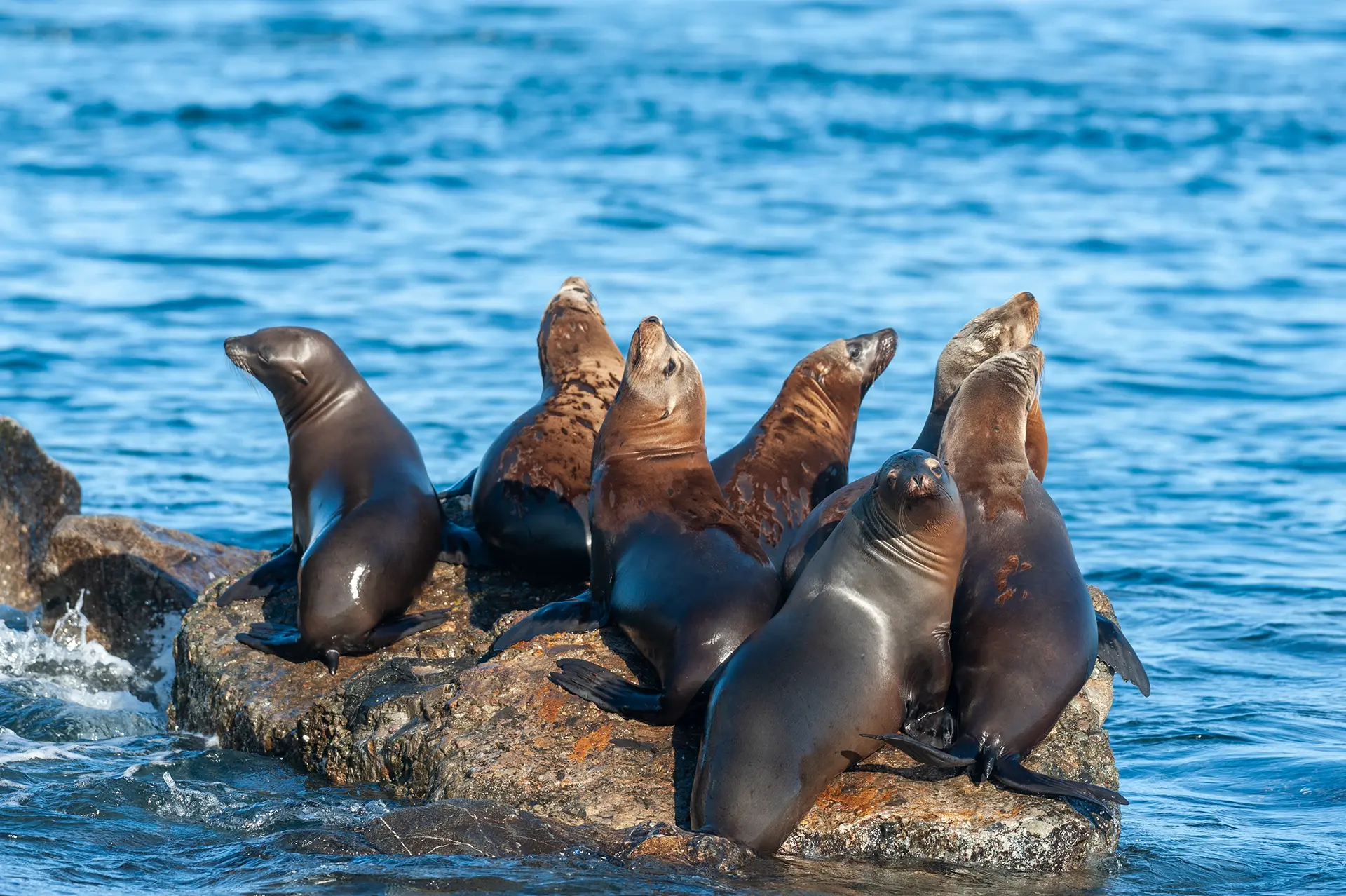
Winter concentrations of harbor seals and California sea lions make California’s coast exceptional for marine mammal viewing. The Channel Islands and Monterey Bay host thriving populations where yacht access provides advantages land-based viewing cannot match. From the water, you observe natural behaviors without the disturbance that shoreline crowds create.
Pacific Northwest’s Winter Marine Mammal Activity
The Pacific Northwest hosts both California and Steller sea lions during winter months, along with concentrated bald eagle populations around salmon runs. [Steller sea lions, with males reaching 2,500 pounds](https://www.bluekingdomtours.com/what-is-the-best-time-of-year-to-go-whale-watching/), dwarf their California cousins and produce distinctive roaring vocalizations rather than barks.
The San Juan Islands maintain wildlife activity year-round. While summer brings orcas following salmon runs, winter reveals different patterns – transient orcas hunting seals, harbor porpoises in protected bays, and seabirds that summer visitors rarely encounter.
Alaska’s Spring Wildlife Preview
While Alaska’s Inside Passage primarily operates as a summer destination, early spring charters (April-May) capture unique transitional wildlife. This timing positions guests for witnessing winter’s end and summer’s beginning – a brief window when marine mammals return to Alaskan waters ahead of peak season crowds.
Spring Alaska planning requires booking well in advance, as these shoulder-season itineraries fill quickly among guests seeking Alaska’s character without summer’s congestion.

The Unbridled Advantage: Wildlife Viewing in Luxury
Strategic Positioning for Optimal Viewing
West Coast wildlife viewing benefits from local knowledge and experience. Certain coves in Monterey Bay are known to host regular sea otter populations. Tide timing affects seal haul-outs in the San Juans. Sunset lighting can dramatically enhance sea lion colony viewing in California’s Channel Islands.
This regional familiarity can help guests spend more time observing wildlife rather than simply searching for it. Monitoring local sighting networks, communicating with other experienced mariners, and adjusting routes based on current animal activity rather than fixed schedules often improves wildlife encounter opportunities.
Comfort During Extended Observation
Winter wildlife viewing rewards patience. Animals maintain rhythms independent of human schedules – seals haul out during optimal tides, eagles hunt when fish surface, sea lions rest between feeding periods. The yacht’s comfortable observation areas and protective spaces allow guests to remain positioned for wildlife encounters regardless of weather conditions.
After morning wildlife observation, return to refined luxury. Seasonal West Coast ingredients – Dungeness crab, Pacific oysters, locally-sourced produce – feature in expertly prepared menus. The contrast between raw nature outside and polished comfort inside defines the luxury yacht experience.
Expert Naturalist Knowledge
Yacht crew with West Coast experience can often provide helpful context for wildlife observations – identifying species, explaining behaviors, and interpreting what you’re witnessing. Understanding differences between California and Steller sea lions, the meaning behind eagle territorial displays, or the significance of seal haul-out locations can deepen every encounter.
For guests seeking deeper expertise, professional naturalists specializing in marine mammals or ornithology can often be arranged. These specialists bring scientific knowledge and research experience that creates additional educational depth alongside visual encounters.
Wildlife Encounters Throughout Your Charter
Harbor Seals: Year-Round Residents
From yacht decks, observe seal social dynamics. Haul-out sites function as marine mammal communities where individuals maintain relationships, mothers nurse pups (during spring/summer), and territorial behaviors play out. The yacht’s quiet approach allows observation without causing the disturbance that sends entire colonies into water.
Winter timing means observing seals in their natural state rather than during breeding season’s heightened activity. This creates calmer viewing where animal behaviors appear more relaxed and varied.
California Sea Lions: Charismatic Colonies
Their distinctive barking vocalizations carry across anchorages, often alerting crew to colony locations before visual contact. These intelligent marine mammals display playful behaviors – porpoising through water, riding bow waves, interacting in ways that seem deliberately entertaining to human observers.
Elephant Seals: Winter Breeding Spectacle
The sounds of elephant seal colonies – bulls’ distinctive trunk-amplified calls, females’ vocalizations, pups’ cries – create soundscapes as memorable as visual encounters.

Bald Eagles: Winter Concentration
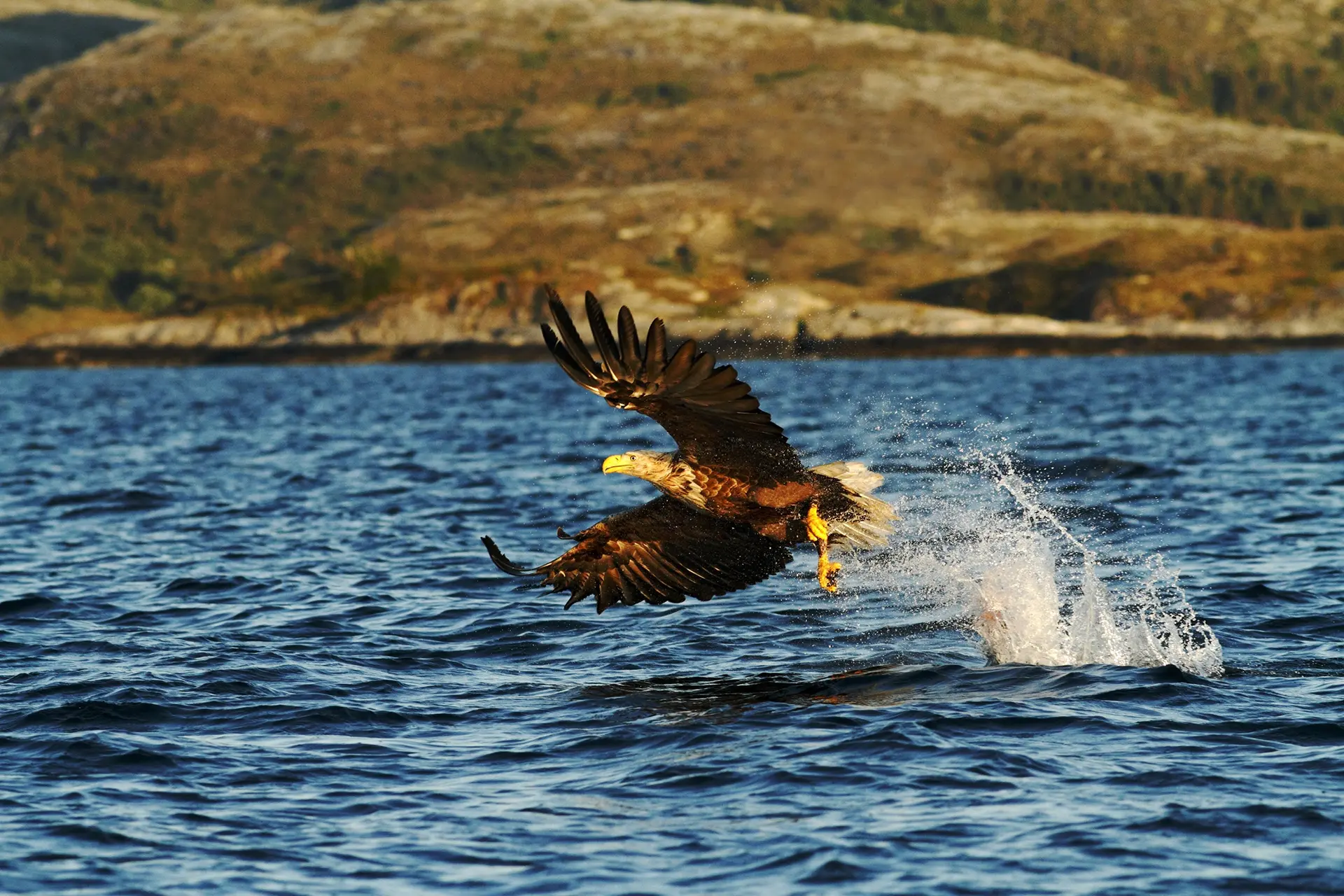
Bald eagles concentrate along West Coast shorelines during winter, drawn by salmon runs and abundant marine life. These apex predators hunt fish, scavenge marine mammal carcasses, and maintain territories they defend vigorously.
From yacht decks, watch eagles fishing – the dramatic dive, talons-first strike, powerful wing strokes lifting them from water while gripping prey. Winter’s clear air and leafless trees make eagle observation superior to summer conditions where foliage obscures roost sites and flight paths.
Eagles’ white heads and tails distinguish adults from juvenile brown-plumaged birds. Age identification becomes possible when observing multiple individuals, allowing guests to understand population structure within viewing areas.
Seabirds and Coastal Avians
Winter brings diverse bird life to West Coast waters. Cormorants dive for fish, pelicans glide in formation above wave surfaces, various gull species patrol shorelines, and numerous duck species winter in protected bays.
Dedicated birders find winter exceptional for species diversity. Migratory waterfowl from northern breeding grounds winter on Pacific flyway, and seabirds that spend summers at distant colonies appear along the coast during winter months.
Activities Complementing Wildlife Observation
Kayaking Near Marine Mammal Haul-Outs
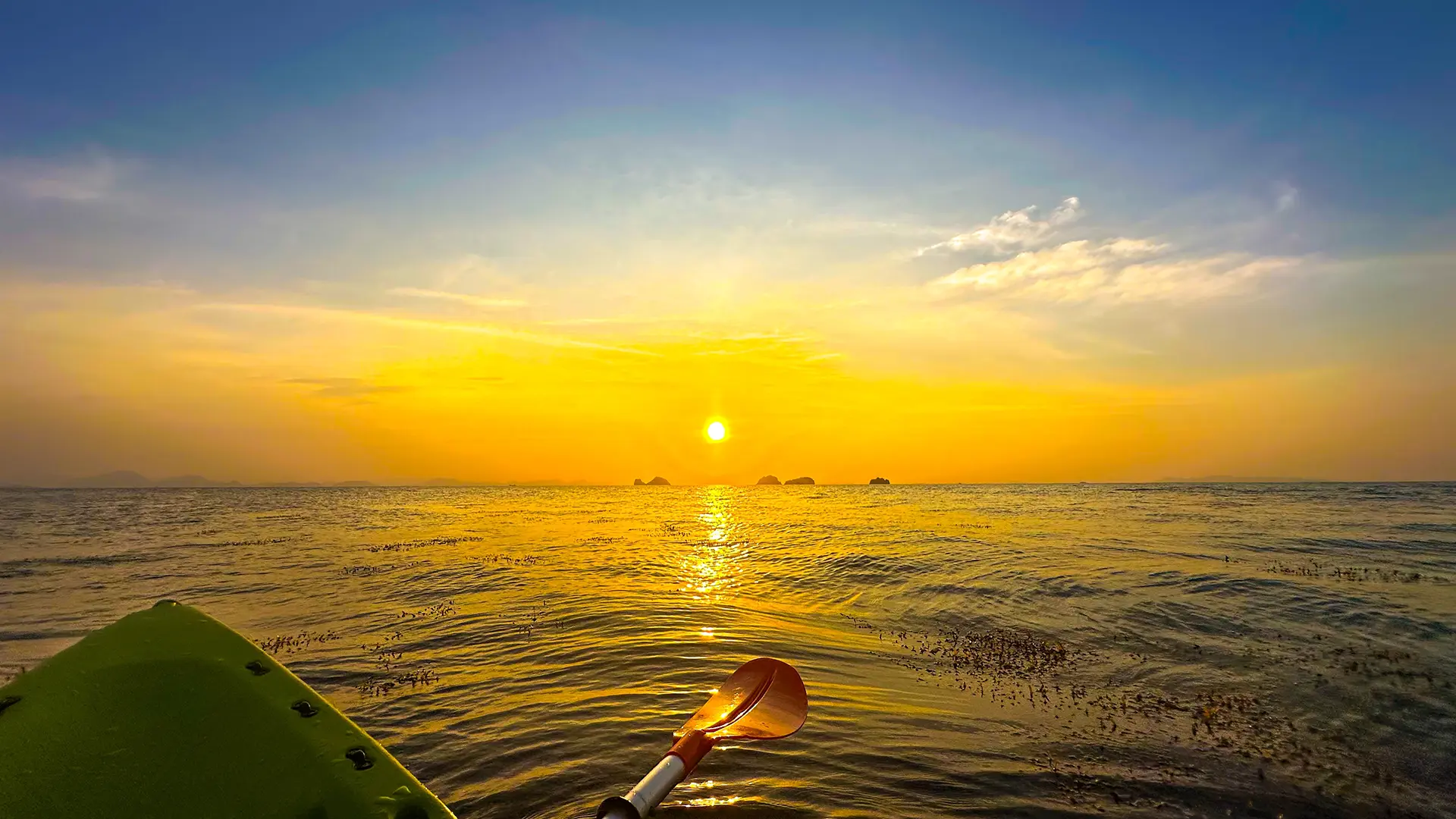
When conditions and equipment permit, kayaking can provide low-impact approaches to wildlife. Paddling near harbor seal haul-outs or exploring rocky coastlines where sea lions rest may allow closer observation than yacht approach would permit, though always maintaining legal distances that protect animals from disturbance.
Kayak activities should follow all marine mammal protection regulations, maintaining minimum distances and avoiding behaviors that could disturb wildlife. The goal remains observation without impact.
Photography from Stabilized Platforms
The yacht’s size creates stable platforms for telephoto photography impossible from small boats. Professional and amateur photographers both benefit from reduced motion when framing distant subjects.
Winter light – lower sun angles, dramatic cloud formations, crisp atmospheric clarity – creates superior photographic conditions compared to summer’s high contrast and frequent haze. Golden hour lighting extends longer during winter’s shorter days, providing more time for optimal shooting conditions.
Shore Excursions to Viewing Areas
Certain wildlife viewing locations require shoreside access. California’s elephant seal rookeries, specific eagle viewing areas, and protected beaches hosting seal colonies may merit shore excursions when itineraries position near these sites and conditions allow.
Shore timing can be coordinated with tides, wildlife activity patterns, and other vessels’ presence to help optimize land-based viewing while minimizing disturbance to animals and other observers.
Planning Your Winter Wildlife Charter
Optimal Timing
Weather windows require flexibility. Winter charters work best when guests accept that dramatic weather creates temporary disruptions balanced by subsequent crystal-clear conditions. The tradeoff – occasional weather delays versus empty anchorages and undisturbed wildlife – appeals to guests prioritizing authentic experiences over guaranteed perfection.
Recommended Duration
Five to seven-day itineraries allow exploration of multiple wildlife regions while maintaining comfortable pacing. Combine California Channel Islands with mainland coast anchoring, or pair Puget Sound with San Juan Islands, or structure extended charters covering California through Pacific Northwest.
Shorter three to four-day charters work well when focusing on specific regions. A Monterey Bay dedicated charter emphasizes sea otters and harbor seals, while San Juan Islands focus might prioritize eagles and seal colonies.
Combining Wildlife with Cultural Experiences
Winter wildlife charters balance nature observation with shoreside cultural experiences. Between wildlife viewing days, explore California’s wine country, visit Pacific Northwest cities like Seattle or Victoria, or enjoy fine dining at coastal restaurants without summer’s reservation challenges.
This balance prevents wildlife-viewing fatigue while creating varied experiences. Some guests prefer maximum time observing marine life, while others appreciate alternating nature days with cultural exploration.
What Makes Winter Wildlife Charters Distinct
Summer West Coast charters emphasize destinations, activities, and social atmosphere. Winter charters shift focus toward wildlife and solitude. The difference manifests immediately – empty anchorages, undisturbed animal behaviors, weather that feels authentic rather than manufactured for tourism.
Marine mammals go about their lives without adapting to human presence because human presence remains minimal. Seal haul-outs occur according to tides rather than tour schedules. Sea lion colonies rest without boats constantly approaching. Eagles hunt without crowds watching from shore.
For naturalist-minded guests, this authenticity proves more valuable than comfort convenience. The occasional weather interruption matters less than experiencing wild animals behaving naturally. The cooler temperatures become manageable with proper layering and the yacht’s comfortable interior spaces. The shorter days concentrate activities into precious daylight hours.

Your Pacific Northwest Winter Adventure
Winter wildlife charters aren’t compromise – they’re choice. Choosing authentic over easy, solitude over social, natural rhythms over controlled experiences. For guests who understand this distinction, winter delivers West Coast yachting at its most rewarding.